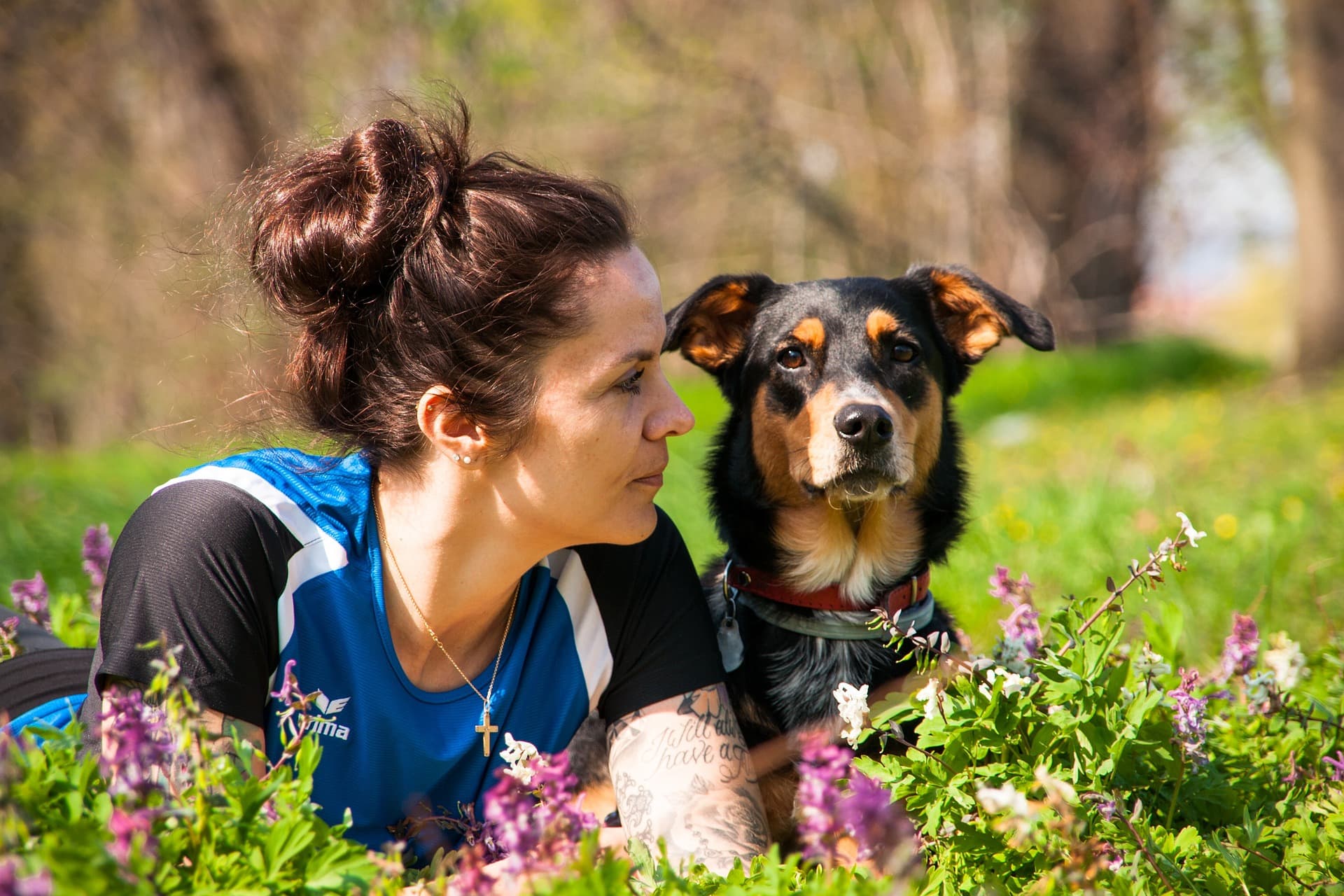
It's Tuesday afternoon. You just finished a great session with Luna and her owner Sarah. Recall is sharper than last week. Loose leash walking is starting to click. Sarah left smiling. You drove to your next appointment thinking, this one is going well.
Then nothing happens for six days.
By Sunday evening, when you sit down to prepare for Monday's lessons, you realize you haven't talked to Sarah since Tuesday. You don't know if she practiced the homework. You don't know if Luna had a regression at the dog park on Friday. You don't know if Sarah is feeling confident or quietly wondering whether the training is worth the money.
You'll find out tomorrow, in the next session. Maybe. If she shows up.
This is the silence between sessions, and it's the quietest reason dog trainers lose clients.
What's actually happening in those days
Most trainers think about client retention in terms of the sessions themselves. Did the dog progress? Did the owner have a good experience? Did I deliver value?
Those things matter, but they're not where clients drift away. Clients drift away in the gaps.
Here's what typically happens during the silent days, based on what trainers and owners describe:
Day one (the day of the session): The owner leaves energized and tells their partner about the breakthrough. They almost never practice that same day. They're tired, they have things to do, and the homework feels like something for tomorrow.
Day two: Real life kicks in. Kids have activities. Work runs late. The owner tries to fit homework in but does one long session at the end of the day. The dog is tired, gets frustrated, and the owner feels like the practice didn't go well.
Day three: The owner gets busy and skips practice entirely. They tell themselves they'll do it tomorrow. This is when momentum quietly starts to fade.
Day four: They take the dog somewhere new, like the park. Recall doesn't work the way it did during the session on Tuesday. The dog might come on the second or third call, or not until the owner is closer. They had been picturing the version they saw on Tuesday: instant, reliable, the way they'd been imagining for months. What they get is a watered-down version, and they don't know that's normal. They assume the training just isn't working.
Day five: They hit a question they don't know how to phrase. They don't want to seem like they're failing the homework. So they quietly stop practicing and decide to bring it up at the next session, then forget.
Day six: Doubt sets in. They start googling, looking for alternatives. They wonder if the trainer's approach is right for their dog. The doubt builds, and you have no idea.
By the time you see them again, you're walking into a session where the client is already half-checked-out, and you didn't even know it.
Why this is the quietest reason clients quit

When a client cancels, they rarely tell you the real reason. They say the schedule got busy. They say the dog is doing great now. They say they need to take a break. They almost never say "I lost faith because I couldn't see what was happening between sessions."
But that's often the truth.
Industry research from DogBiz Success suggests that a 5 percent increase in client retention can result in anywhere from a 25 to 125 percent increase in profits. The math is simple. A returning client costs nothing to acquire, has higher lifetime value, and is more likely to refer friends. The clients you lose to silence aren't just lost relationships. They're lost income compounded over years.
For a solo trainer charging $100 per session, retaining one extra client through the rest of their program could mean thousands of dollars over a year. Multiply that across all the clients you've quietly lost over the last few years, and the silent gaps start to look very expensive.
What good trainers do during the silence
The trainers who keep clients booked aren't necessarily the best at training dogs. They're the most consistent at making the work between sessions visible.
Three habits separate trainers who retain clients from trainers who don't.
Send a thoughtful report the day of the session. Not a quick text. Not a verbal recap as the client is walking out the door. A written summary the client can re-read when they're trying to remember what to practice on Thursday afternoon. Something that shows you paid attention, captured the wins, and have a clear next step in mind.
Include specific, actionable homework. Not "practice recall this week." Specific homework that tells the owner exactly what to do, where to do it, how often, and with what reward. Vague homework is worse than no homework. The owner reads it, feels uncertain about whether they're doing it right, and stops trying.
Check in mid-week. Three or four days after the session, send a short message. "Hey Sarah, how's it going with Luna's recall practice? Any questions?" That's it. Two sentences. Two minutes of your time. The owner feels seen. If they had a question they were too embarrassed to ask, you've given them an opening. If they hit a wall on the homework, you can course-correct before the next session.
These three habits done consistently are what turn one-time clients into long-term ones.
Why most trainers don't do all three
The honest truth is that most trainers know this. They've read the same business advice you've read. They've sat through the same coaching webinars. They know they should be sending detailed reports and checking in mid-week.
They don't do it because of time.
A thoughtful written report after a session takes 20 to 30 minutes when you're writing from scratch. Multiply that across eight clients in a week, and you're looking at three to four hours of writing time on top of the sessions themselves. Add a mid-week check-in for each client and you've added another hour. That's an entire half-day of unbillable communication work every week.
Most trainers can't sustain it. They start strong, write detailed reports for the first month, then quietly let it slip. They tell themselves they'll get back to it when things calm down. Things never calm down.
The result: clients drift away in the silence, and trainers can't figure out why.
The fix isn't more discipline
The trainers who consistently do all three habits aren't more disciplined than you. They've usually figured out a way to make the work take less time.
That's where DropLeash comes in. Trainers who use it generate the post-session report in about 30 seconds instead of 30 minutes. The reports include specific, actionable homework with the right level of detail. Reports go out the same day, often within the hour after the session ends. The trainer keeps the time and energy to do the rest of the retention work, like the mid-week check-in, without burning out.
The compounding effect is what matters. Same-day delivery. Homework specific enough that clients actually attempt it. Trainers who still have bandwidth to send a quick mid-week message. Each habit on its own is helpful. Together, they close the silence almost completely.
What a mid-week check-in actually looks like
If you're going to do one new thing this week, do this one. Pick three of your clients, pull up their last session, and send a short message like this:
"Hey [Owner], just wanted to check in on how [Dog]'s [specific homework task] is going. Quick reminder that 5 to 15 minutes a day, broken up into a couple short sessions, is more effective than one long session at the end of the day. Let me know if any questions come up before our session on [day]."
That's it. Don't ask for a survey response. Don't send a form. Don't make it formal. Just a friendly check-in from a trainer who's paying attention, with one specific tip the owner can actually act on.
Most clients will respond with something like "Thanks for the reminder, that's a good point." And that's enough. The point isn't the response. The point is the signal that you care, the open door for them to ask if they're stuck, and the small course-correction that can turn a frustrating week into a productive one.
A small percentage will respond with a real question or a real problem you didn't know about. Those are the moments that save the relationship. A client struggling silently with the homework was about to give up. Your message gave them permission to ask, and a tip that might fix their problem before they even reach you.
The compounding payoff

Trainers who close the silence between sessions don't see immediate results. They see results over months and years.
Clients stay through the full program instead of canceling at session four.
Programs that used to end at session six get extended to session ten because the client wants to keep going.
Clients refer friends because they feel seen and supported, not just billed.
The trainer's calendar fills up not from constant new client acquisition but from existing clients who keep coming back and telling others.
This is what retention looks like in practice. Not a dramatic single moment. A quiet pattern of consistency that compounds over time.
The silence between sessions is the quietest reason dog trainers lose clients. It's also the most fixable one. Closing the gap doesn't require new skills, new credentials, or a different style of training. It just requires showing up in the days when the client thinks you're not paying attention.
The trainers who do that are the ones whose businesses keep growing.
Reports that close the silence
DropLeash turns your session notes into polished, branded reports your clients see the same day. Build the retention work that keeps them coming back, in less time than it takes to write one report by hand.
Start Your Free TrialDropLeash is built for trainers who want to close the silence between sessions. Generate polished, branded progress reports in about 30 seconds, send them the same day, and use the time you save on the rest of the retention work that keeps clients booking. Try the live demo — no signup required.