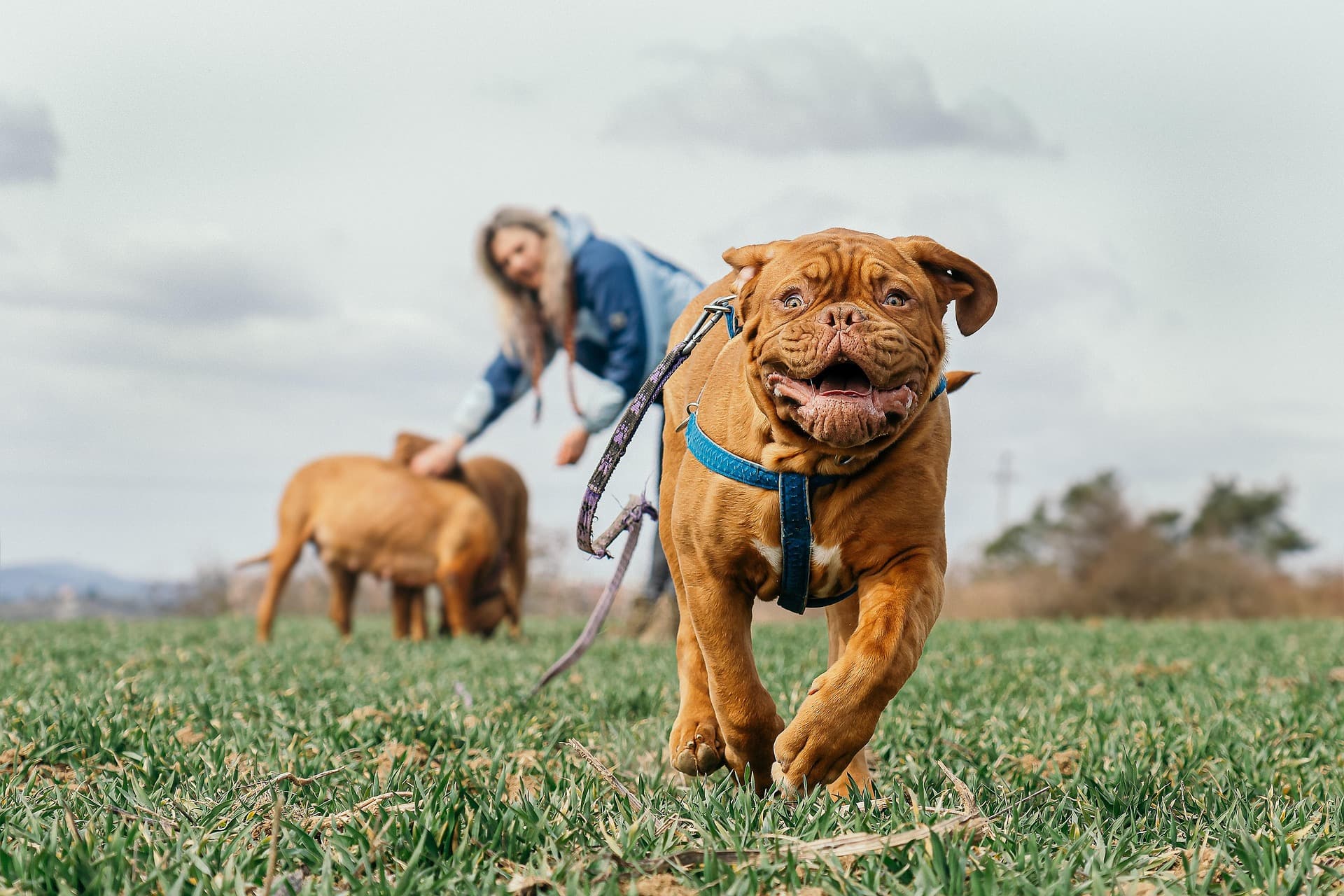
Loose-leash walking is one of the first things new clients ask for. It's also one of the easiest skills to demonstrate in a session. You show the owner the mechanics, the dog gets it within a few minutes, everyone leaves happy.
Then three weeks later the client has stopped practicing and quietly wonders if any of it is working.
The technique was never the hard part. The follow-through is. Loose-leash walking is the skill clients quit on more than almost any other, and it's rarely because the training was bad. It's because the progress is slow, hard to see, and easy to misread as failure. If you want clients to stick with it, the work isn't just teaching the skill. It's coaching them through the weeks where it doesn't feel like it's working yet.
Why loose-leash walking is the skill clients quit on
Compare loose-leash walking to a sit. A sit is binary. The dog sits or it doesn't. The owner sees the win instantly, every time. Progress is obvious.
Loose-leash walking is the opposite. It improves in small increments across weeks. The dog goes from pulling the entire walk to pulling most of it, then to pulling sometimes, then to checking in now and then, then to walking nicely for a stretch before drifting. Every one of those steps is real progress. None of them looks like the finish line.
Here's the trap. The owner has one mental picture of success: a dog that walks calmly on a loose leash, start to finish. Until the dog hits that picture, the owner files everything else under "still pulls." They're measuring against the goal. You're measuring the building blocks. That gap is where clients lose faith.
The progress your clients can't see
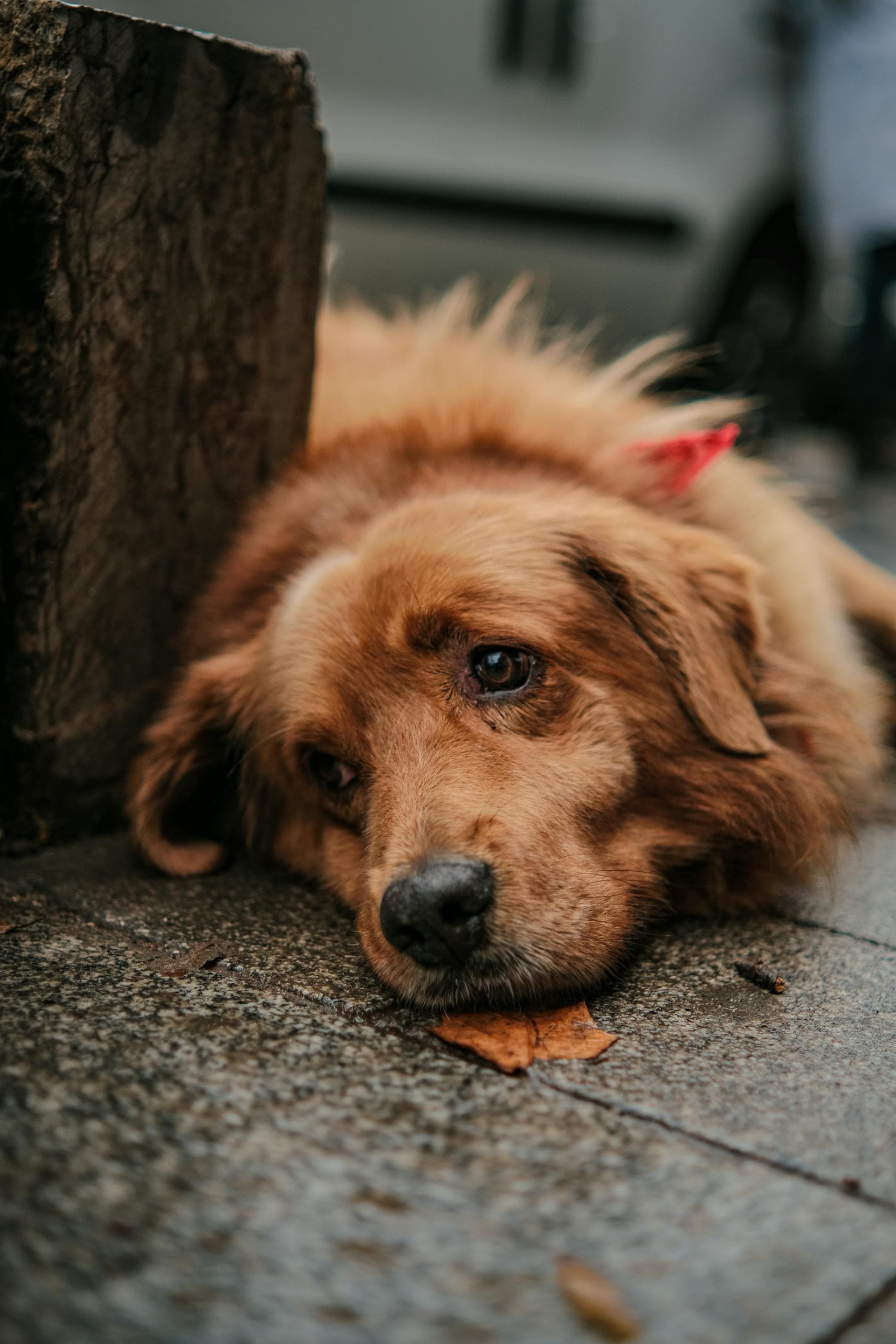
Take Luna, a seven-month-old doodle whose owner booked sessions specifically because walks had become a battle.
Six weeks in, here's what Luna actually does on a walk. She checks in with her owner roughly every twenty seconds, glancing back without being asked. The leash stays loose for stretches of fifteen or twenty steps. When she does forge ahead, she responds to her name on the first cue instead of the third. When another dog passes, she still pulls toward it, but she recovers and re-engages within a few seconds instead of dragging her owner down the block.
To you, that's a dog well on her way. The check-ins are the foundation of everything. The recovery speed is the part most owners never even notice. Luna is doing great for where she is.
To Luna's owner, the walk still feels like "Luna pulls." Because she does, sometimes, and "sometimes" is enough to confirm the story the owner already has in their head. They booked you to fix the pulling, and the dog still pulls, so in their mind the job isn't done and might not be working.
Both of you are looking at the same walk. You see a dog learning. The owner sees an unfinished problem. Neither of you is wrong. But only one of you is going to stop booking sessions.
Name the progress out loud, every time
The fix starts with making the invisible progress visible, and you have to do it explicitly because the owner cannot see it on their own.
After a session, don't just say "good work today." Point to the specific building blocks. With Luna's owner, that sounds like: "Did you notice she checked in with you on her own at least a dozen times today? Three weeks ago she wasn't doing that at all. Those check-ins are the whole foundation of loose-leash walking. The calm walking grows out of them."
Now the owner has something to watch for. On tomorrow's walk, instead of only registering the pulls, they start counting the check-ins. You've given them a new way to see their own dog. That reframe is often the difference between a client who renews and one who drifts.
This is also where a written recap earns its keep. A quick verbal note gets forgotten by the time the owner is actually on a walk and frustrated. Something they can look back at, that spells out what improved and what to watch for, keeps the reframe alive between sessions.
Give homework small enough to actually happen
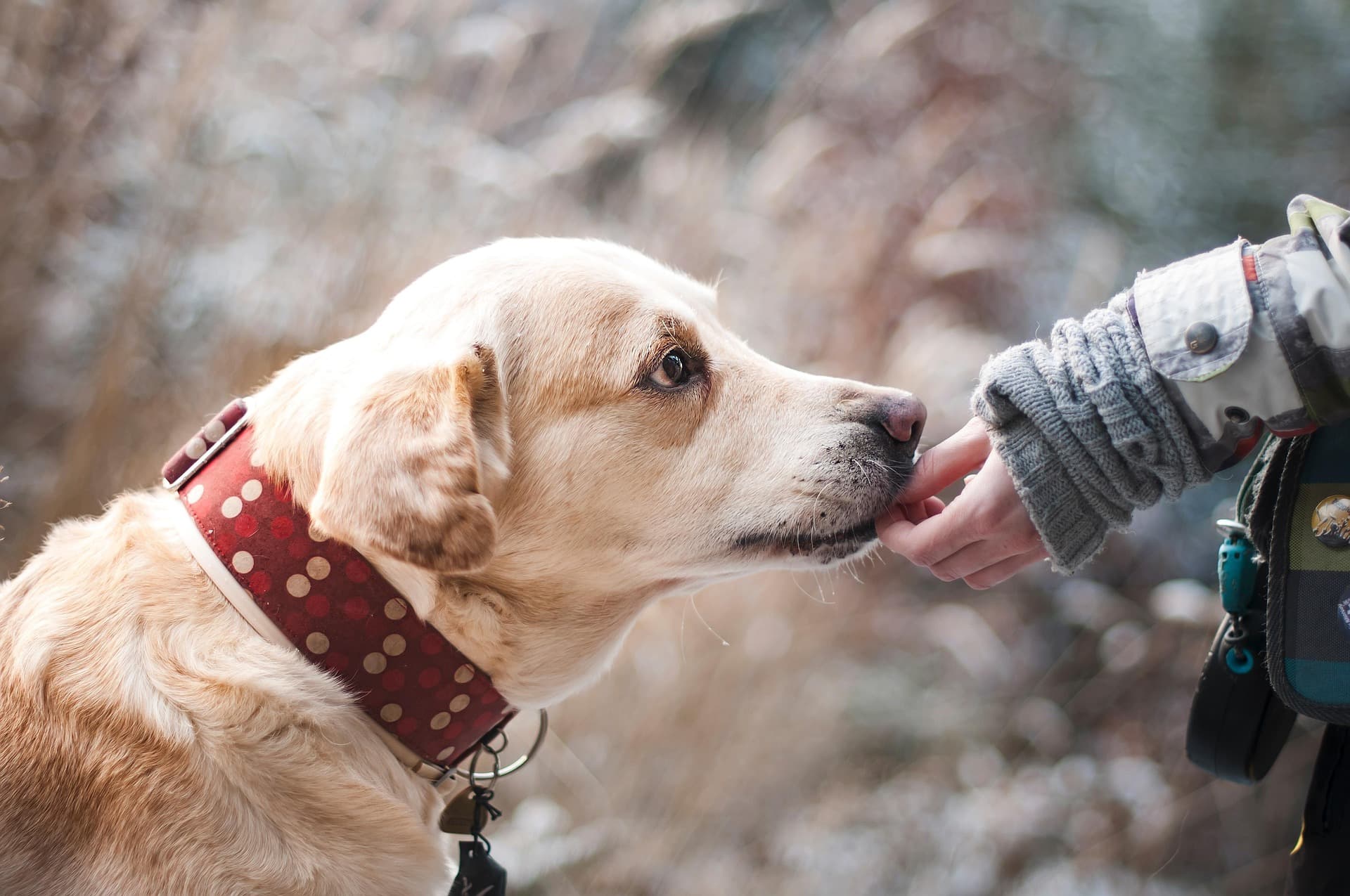
The other reason clients stop practicing is that the homework is too big.
"Work on loose-leash walking this week" is not homework. It's a vague obligation that competes with work, kids, dinner, and a dozen other things, and it loses. By Thursday the owner hasn't done it, feels guilty, and starts avoiding the topic.
Make it small and specific enough that skipping it feels harder than doing it. For Luna's owner: "Five minutes a day, on the quiet stretch of your street, not the busy road. The second the leash goes slack, mark it and treat. Use the good stuff, chicken or cheese, not kibble. That's it. Five minutes."
Small homework gets done. Done homework produces progress. Progress, once the owner can see it, produces motivation. Motivation produces more practice. The whole loop starts with making the first ask small enough to win.
Set the timeline before they set their own
Clients invent their own timelines, and the timelines are always too fast. Left alone, an owner decides loose-leash walking should be solved in two weeks, and when it isn't, they conclude it's failing.
Get ahead of it. Early on, tell them what the arc actually looks like: "Loose-leash walking usually takes a couple of months to get reliable, and it gets worse before it gets better when we add distractions. That's normal and it's part of the process, not a sign anything's wrong."
Take Charlie, a year-old lab mix whose owner got discouraged in week two because Charlie was pulling harder than when they started. Nothing had gone wrong. They'd just moved practice from the backyard to the sidewalk, and the new distractions spiked the pulling temporarily. Because his trainer had named that possibility in advance, the owner recognized it as the expected dip instead of a failure, and kept going. Without that warning, Charlie's owner probably quits that week.
Make the progress visible between sessions
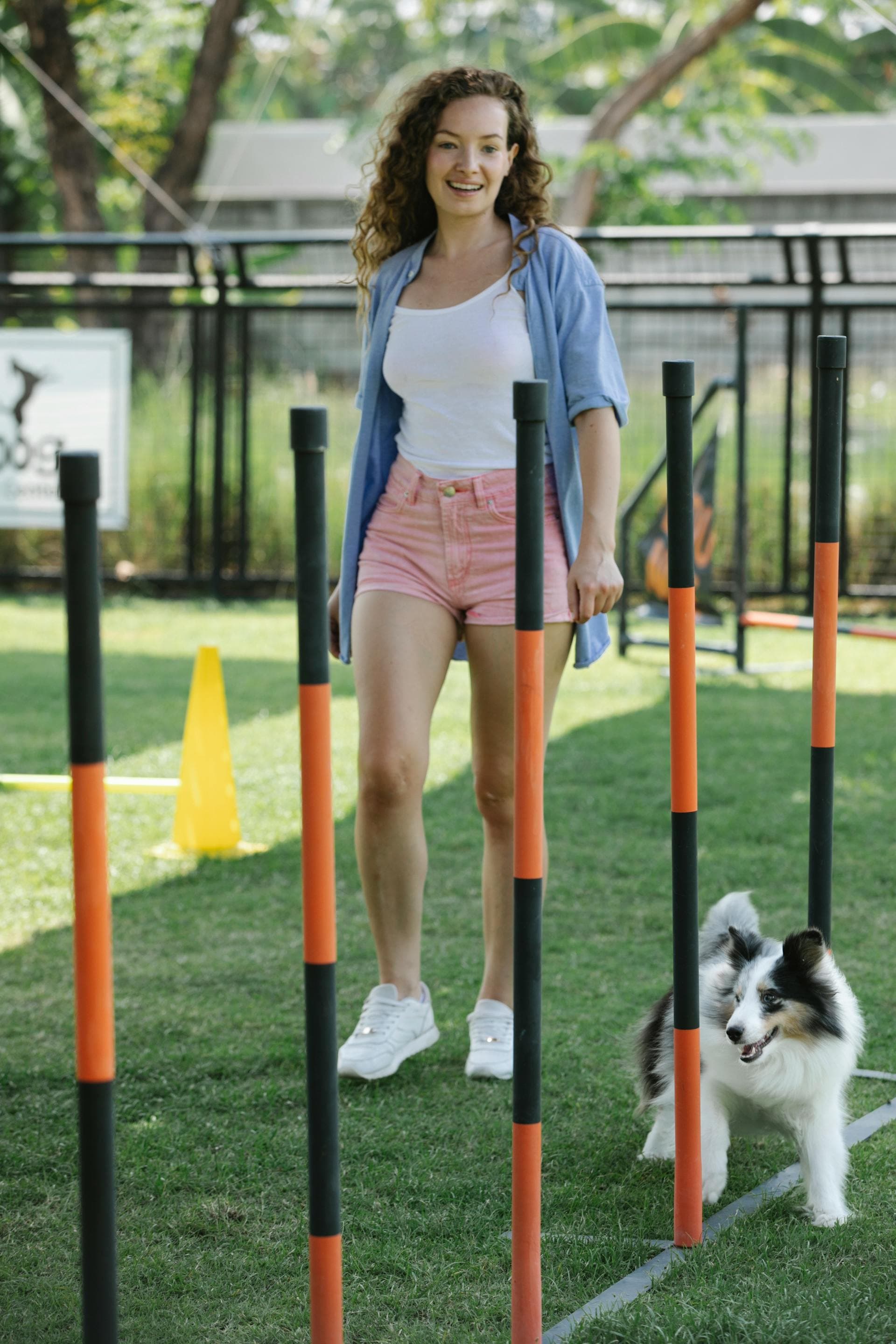
Everything above has a common thread: clients drift when they can't see that the work is working. The single most effective thing you can do for retention is close that gap between sessions, not just during them.
That's the case for sending clients a real recap after each session instead of a quick text. A polished report that lays out what improved, names the building blocks the owner would otherwise miss, and spells out the small, specific homework gives the client something concrete to hold onto when motivation dips midweek. They can see Luna's check-ins went from four to fourteen. They can see exactly what to practice. They can see the line going up, even when the daily walk still feels messy.
This is the part most trainers skip, because doing it by hand after every session takes thirty minutes you don't have. It's exactly why DropLeash exists: you log your session notes, and it turns them into a polished, branded progress report in about thirty seconds, homework included. The retention work that compounds, without the time cost that usually makes trainers cut it.
The takeaway
The loose-leash walking problem is almost never the technique, and almost never the dog. It's that the progress is slow and invisible, and clients give up before the skill consolidates.
Coach the skill, yes. But also coach the client through the part where it doesn't feel like it's working. Name the progress they can't see. Keep the homework small. Set the timeline before they set a worse one. And make the wins visible between sessions, so the client stays in it long enough for the calm, loose-leash walks they came to you for.
Show clients the progress they'd otherwise miss
DropLeash turns your session notes into polished, branded progress reports in 30 seconds, homework included. Keep clients seeing the wins between sessions.
Try the Free DemoFrequently asked questions
How long does loose-leash walking usually take for clients to see results?
It varies by dog and by how consistently the owner practices, but reliable loose-leash walking commonly takes a couple of months to develop, and it often gets temporarily worse when you add distractions or new environments. Telling clients this upfront prevents them from reading the normal dip as failure.
What do I do when a client says loose-leash training isn't working?
Point to the specific progress they're not seeing. Most owners measure against the end goal (a dog that never pulls) and miss the building blocks: check-ins, loose-leash stretches, faster recovery after a distraction. Naming those concrete improvements, ideally in writing they can refer back to, reframes "it's not working" into "it's working, here's the proof."
How much loose-leash homework should I give clients between sessions?
Less than you think. A small, specific assignment that actually gets done beats an ambitious one that gets skipped. Something like five focused minutes a day on a low-distraction street, rewarding the moment the leash goes slack, is enough to build the habit. You can scale up once the client is consistently doing the small version.
DropLeash helps dog trainers keep clients engaged between sessions with polished, branded progress reports generated from your session notes. Try the live demo with no signup required.